Coil Binding vs Comb Binding: A Complete Book Binding Comparison (2025)
Book Printing Guide
 Big Thinkers Business | 29 Dec 2025

Choosing the right binding method is one of the most important decisions in professional book printing. While paper quality and print clarity matter, binding determines how a document is used, how long it lasts, and how professional it feels in real-world conditions.
Two of the most commonly requested binding methods are coil binding and comb binding. Although they may look similar at first glance, they are designed for very different purposes and perform differently over time.
In this guide, we break down coil binding vs comb binding using practical printing experience — not theory — so you can confidently choose the binding option that best suits your document’s usage, lifespan, and budget.
Table of Contents
- Why Binding Choice Matters More Than Most People Realise
- What is Coil Binding?
- Key Advantages of Coil Binding
- What is Comb Binding?
- Key Advantages of Comb Binding
- Coil Binding vs Comb Binding: Side-by-side Comparison
- How Binding Choice Affects User Experience and Perception
- Cost Considerations: What Actually Influences Pricing
- Best Binding Choice by Use Case
- Our Professional Recommendation
Why Binding Choice Matters More Than Most People Realise
Binding is not just a finishing detail. It directly affects:
How easily pages turn
Whether the document lies flat
How often it needs replacing
How it is perceived by readers or stakeholders
When choosing a book printing service in Singapore, binding should be evaluated alongside paper stock, print quantity, and intended use. Selecting the wrong binding often leads to premature wear, poor usability, or unnecessary reprints — all of which increase costs over time.
For a deeper overview of how different binding methods compare and where each option fits best, you may also find our complete book binding guide helpful as you plan your book printing project.
Beyond binding alone, having a clear understanding of the overall printing process helps avoid common mistakes. Our guide on choosing book printing services in Singapore breaks down the key considerations to help you make informed decisions before committing to print.
What Is Coil Binding? Built for Heavy Use and Longevity
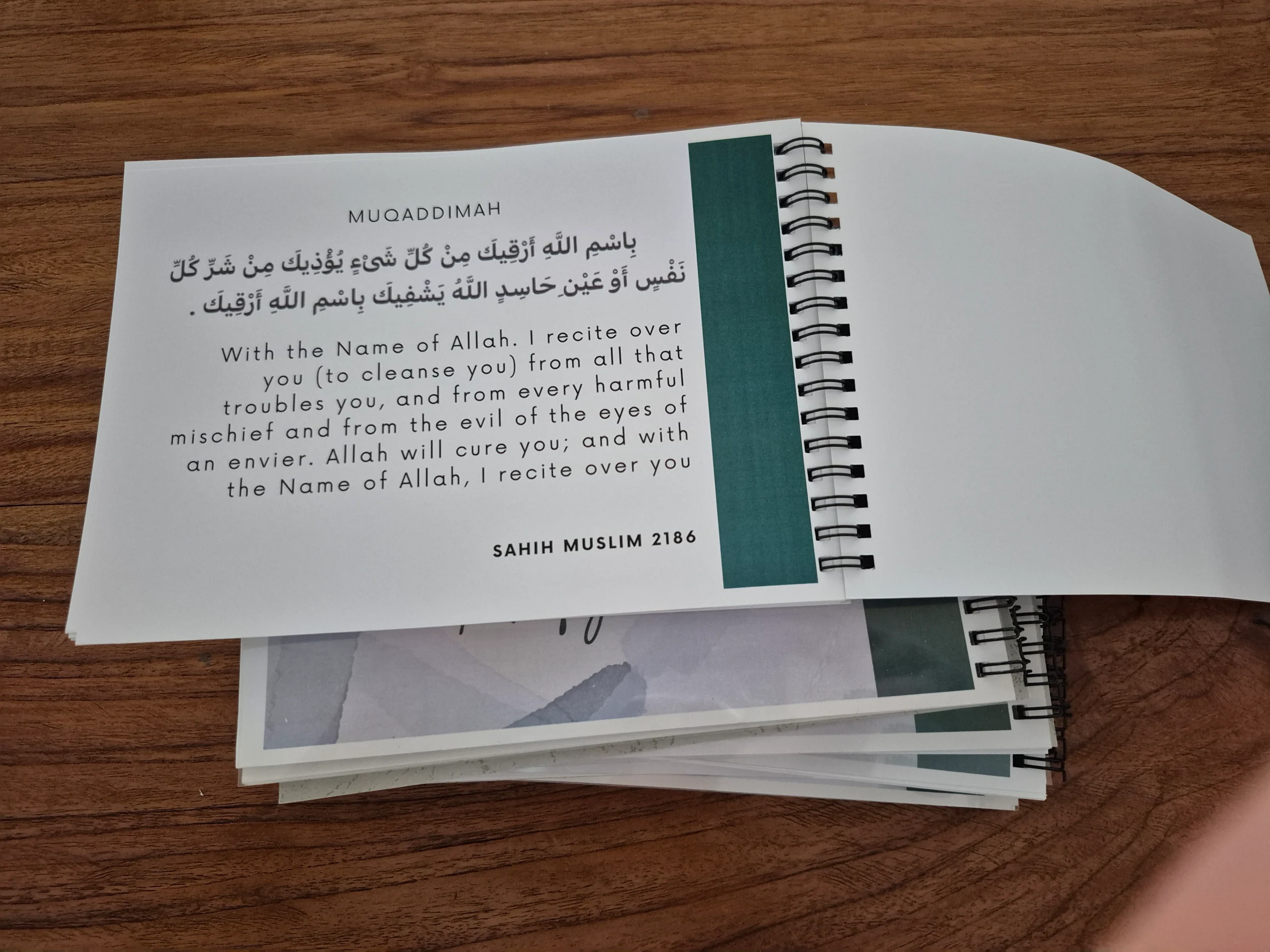
Coil binding, also known as spiral binding, uses a continuous plastic or metal coil threaded through holes along the spine of a document.
This structure allows pages to rotate freely without stressing the spine, making coil-bound books highly durable, especially in environments where documents are handled frequently.
Learn more about our coil binding services and available specifications.
Key Advantages of Coil Binding
Pages rotate a full 360°
Strong resistance to tearing and spine damage
Suitable for thick documents
Maintains structure with repeated daily use
Because of these strengths, coil binding is widely used for:
Training manuals
Technical documentation
Instructional workbooks
Reference materials
Documents expected to remain in circulation for months or years typically benefit from coil binding due to its structural resilience.
What Is Comb Binding? Flexible, Practical, and Cost-Efficient
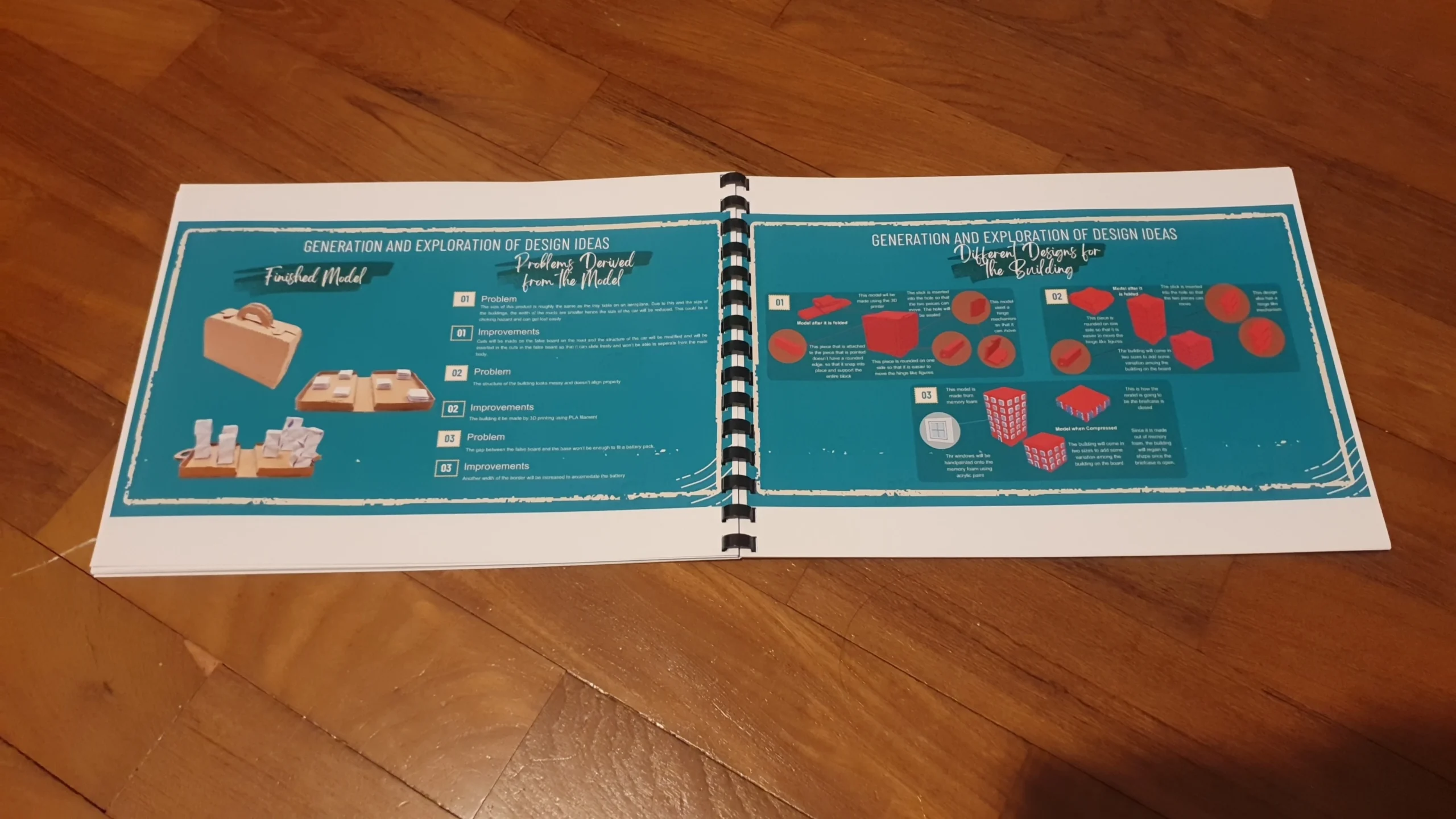
Comb binding uses plastic combs with evenly spaced teeth that open and close along the spine. Pages are punched and inserted into the comb, which can be reopened later.
Unlike coil binding, plastic comb binding allows pages to be added, removed, or replaced, making it a practical choice for documents that evolve over time.
Key Advantages of Comb Binding
Easy content updates without full reprints
More affordable for short to medium runs
Clean, structured appearance
Suitable for lighter handling environments
Comb binding is commonly chosen for:
Internal reports
Presentation materials
Course notes
Office documentation
For organisations that regularly revise content, comb binding offers flexibility and cost efficiency without sacrificing professionalism. Discover our comb binding services, ideal for projects that need regular updates and a clean, professional finish.
Coil Binding vs Comb Binding: Side-by-Side Comparison
| Feature | Coil Binding | Comb Binding |
|---|---|---|
|
Page Rotation |
360° |
~180° |
|
Durability |
Very High |
Moderate |
|
Editability |
❌ Not editable |
✅ Editable |
|
Best for Thick Books |
✅ Yes |
⚠️ Limited |
|
Professional Longevity |
Excellent |
Good |
|
Cost |
Slightly Higher |
More budget-friendly |
While this guide focuses on coil binding vs comb binding, other binding methods may be suitable depending on your project. Our complete guide to types of book binding provides a broader overview of available options.
Durability in Real-World Use: Choosing the Right Fit
From professional printing experience, coil-bound books tend to perform better in high-use environments where documents are handled repeatedly over long periods.
Specifically, coil binding is especially well-suited for:
Classrooms
Training rooms
Workshops
Technical or operational settings
The continuous coil distributes stress evenly across the spine, helping pages turn smoothly and reducing wear during frequent use.
That said, comb binding remains a highly practical and reliable option when durability is not the primary requirement. For documents that are used occasionally, updated regularly, or produced in shorter runs, comb binding offers clear advantages. Its ability to add or replace pages makes it ideal for evolving content, while its lower production cost keeps projects budget-efficient.
In short, coil binding excels in long-term, high-handling scenarios, while comb binding is a smart, flexible choice for cost-conscious projects that change over time.
Cost Considerations: What Actually Influences Pricing
Although comb binding is generally more affordable, binding type is only one part of the cost equation.
Other factors include:
Page count
Paper thickness
Print quantity
Finishing requirements
In many cases, the price difference between coil and comb binding is modest compared to the impact on usability and lifespan. Businesses balancing value and quality may find it helpful to review this affordable book printing guide for Singapore businesses.
Best Binding Choice by Use Case
Choose Coil Binding If You Are Printing:
Training manuals
Instruction booklets
Technical documentation
Workshop materials
High-page-count documents
Choose Comb Binding If You Are Printing:
Editable reports
Internal presentations
Course materials that change frequently
Short-term or seasonal documents
Both options are commonly available under professional book printing services, but choosing the right one ensures your document remains functional rather than becoming a liability.
If you’re ready to proceed, you can explore Print Print’s full range of book printing services to see how different binding options are applied in real projects.
Our Professional Recommendation
There is no universally “better” binding method — only a better fit.
-
Choose coil binding if your document will be handled frequently, used daily, or expected to last long-term.
-
Choose comb binding if flexibility, editability, and cost efficiency are higher priorities.
A professional printer will typically recommend a binding method based on page count, usage frequency, update cycles, and storage conditions, not personal preference.
If this is your first time printing a book, having a clear understanding of these fundamentals can prevent costly mistakes. Our book printing guide for first-timers walks through the process step by step to help you make informed decisions with confidence.
Professional Book Binding with Print Print
At Print Print, we help authors, businesses, and creatives choose the right binding method for their specific needs – not just the most popular option. View our printing portfolio to see past coil binding and comb binding projects we’ve worked on.
Clients work with us for:
- No minimum order — from single copies to bulk runs.
Practical binding recommendations based on real-world use
Affordable printing without compromising quality
Reliable turnaround and delivery across Singapore
Whether you’re producing training manuals, internal reports, or instructional materials, our team ensures your documents are bound to perform as intended. Explore our full range of book printing services in Singapore to get started.
Final Thoughts: Make Your Binding Work for You
Binding is more than a finishing step — it determines how your document is used, perceived, and preserved over time. By understanding the real differences between coil binding vs comb binding, you avoid unnecessary reprints, reduce user frustration, and ensure your printed materials deliver long-term value.
If you’re unsure which option suits your project, consulting a professional printer can save both time and cost while ensuring the final result meets practical expectations.
Planning your next book printing project?
Speak with Print Print for a free quote and get expert guidance on binding options to ensure your book is printed with quality, durability, and purpose in mind.