Choosing a hardcover book already signals quality, durability and credibility. But what truly transforms a hardcover into a premium publication is the hardcover book finish.
From elegant matte lamination to striking foil stamping and tactile embossing, the right finishing choices elevate not just appearance — but perceived value. Whether you’re printing a corporate annual report, commemorative publication, coffee table book or brand storybook, your finishing decisions will determine how your book feels, lasts and is remembered.
If you’re still exploring binding options, our complete guide to hardcover book printing in Singapore explains how hardcover compares to other formats and when it makes the most sense.
Table of Contents
Why the Right Hardcover Book Finish Matters
Lamination: The Foundation of a Professional Finish
Matte Lamination
Gloss Lamination
Soft-Touch Lamination
Foil Stamping: Metallic Authority
Spot UV: Strategic Contrast
Embossing and Debossing: Depth and Texture
Dust Jacket vs Printed Case Cover
Cost Considerations for Premium Finishes
Choosing the Best Finish for Your Purpose
Experience Matters in Hardcover Finishing
Why the Right Hardcover Book Finish Matters
A hardcover book finish is not just decorative. It serves three powerful functions:
Protects the cover from scratches and wear
Enhances tactile experience
Elevates brand authority and perceived value
For businesses and organisations, finishing is often what differentiates a standard printed book from a premium corporate asset. As highlighted in our article on why hardcover books are worth it, durability and long-term impact are key reasons clients invest in hardcover formats — and finishing plays a major role in that value.
Lamination: The Foundation of a Professional Hardcover Book Finish
Lamination is often the starting point when selecting a hardcover book finish. It not only protects the printed cover but also sets the tone for how the book feels and reflects light. Different lamination types create distinctly different visual and tactile experiences.
Matte Lamination – Refined and Professional
Matte lamination delivers a smooth, non-reflective surface. It creates a clean, sophisticated look that works especially well for:
Corporate reports
Brand publications
Educational books
It reduces glare under lighting and gives your book a polished, professional appearance.
Gloss Lamination – Bold and Eye-Catching
Gloss lamination enhances colour vibrancy and contrast. If your cover design relies heavily on imagery or strong colours, gloss helps visuals pop.
It’s particularly suitable for:
Photo-heavy publications
Event books
Promotional materials
However, gloss surfaces may show fingerprints more easily than matte finishes.
Soft-Touch Lamination – Luxury You Can Feel
Soft-touch lamination adds a velvety texture that instantly communicates premium quality. This hardcover book finish is increasingly popular for:
Coffee table books
Luxury brand publications
Limited edition prints
It transforms the physical experience of holding the book — an important factor when presentation matters.
Foil Stamping: Add Metallic Authority and Visual Power
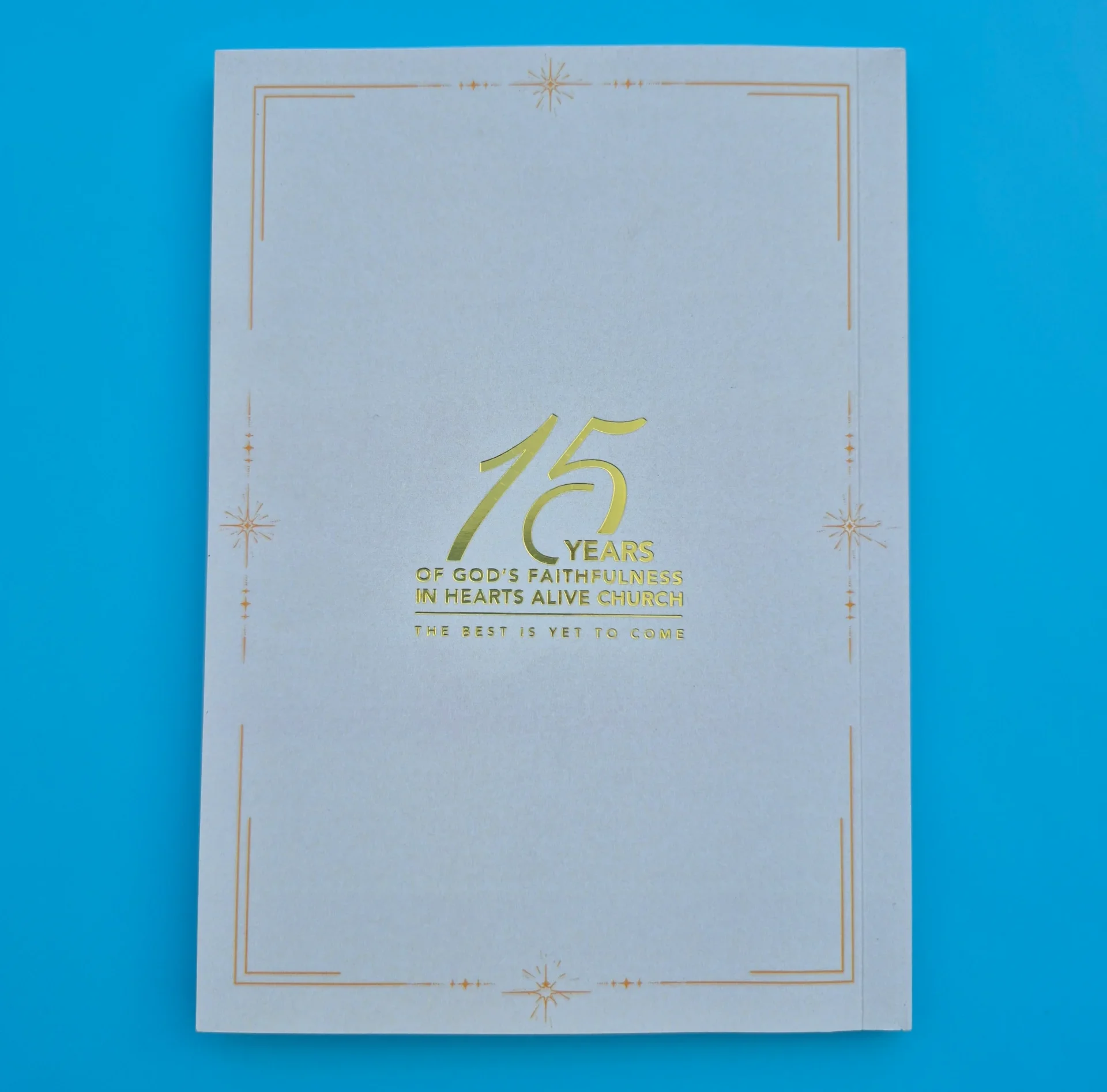
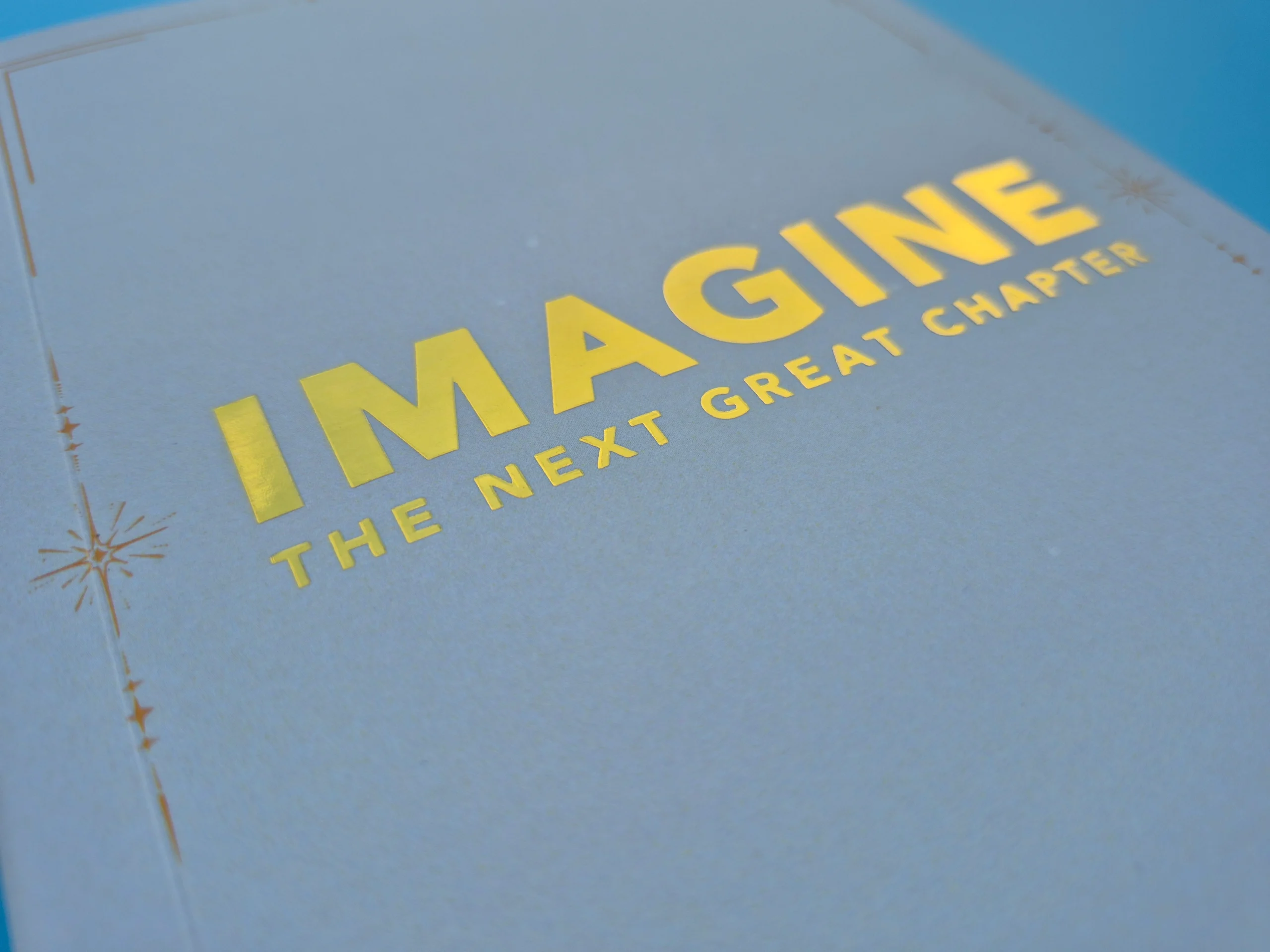
Foil stamping applies metallic film (commonly gold or silver) to selected areas of the cover, typically the title or logo.
While lamination forms the base layer of protection and texture, foil stamping introduces contrast and prestige. It is one of the most effective ways to draw attention to key elements without overwhelming the cover design.
Benefits of foil stamping include:
Immediate shelf appeal
Enhanced brand prestige
Strong contrast against matte backgrounds
Foil is widely used for corporate annual reports and commemorative publications because it communicates credibility and excellence. If you’re printing a corporate book and evaluating cost implications, our hardcover book printing cost guide breaks down how finishing options affect pricing.
Spot UV: Strategic Gloss That Commands Attention
Spot UV is a selective gloss coating applied to specific design elements.
It is often used to:
Highlight titles
Emphasise logos
Create contrast against matte lamination
When combined with matte lamination, Spot UV creates a striking visual effect without overwhelming the design. It’s a subtle yet impactful hardcover book finish for brands that want refined distinction.
For projects that require subtle sophistication rather than full metallic contrast, Spot UV offers targeted enhancement. It works best when used strategically to guide the reader’s eye.
Embossing and Debossing: Depth That Leaves a Lasting Impression
Embossing raises selected elements, while debossing presses them into the cover surface.
Beyond visual finishes, tactile depth plays a powerful role in perceived quality. Embossing and debossing introduce dimension, encouraging interaction with the cover.
These finishes:
Add tactile depth
Reinforce premium positioning
Increase engagement with the book cover
When combined with foil stamping, embossing can produce an elegant, high-impact result ideal for luxury publications and milestone editions.
To understand how these finishing steps integrate into production, our step-by-step hardcover book printing guide walks through the entire process from design to final binding.
Dust Jacket vs Printed Case Cover
Finishing extends beyond surface treatments. Structural presentation also influences perception.
A printed case cover features artwork printed directly onto the hardcover board, offering durability and a streamlined aesthetic.
A dust jacket provides an additional removable outer sleeve, often used for retail-distributed books or high-end publications that require extra design space.
The right choice depends on budget, audience expectations and distribution strategy.
Cost Considerations for Premium Finishes
Finishing enhancements will influence your overall production cost. Pricing typically depends on:
Type of lamination
Extent of foil stamping
Complexity of embossing
Print quantity
For clients balancing budget with quality, our affordable book printing guide provides practical advice on optimising print decisions without compromising professionalism.
Understanding which upgrades genuinely enhance impact helps prioritise investment wisely.
Choosing the Best Hardcover Book Finish for Your Purpose
Different book printing projects call for different finishing strategies. Not every publication requires every finishing technique. The ideal hardcover book finish depends on audience expectations, brand positioning and distribution goals.
Corporate Annual Reports
Matte lamination paired with foil stamping offers professionalism and credibility. This combination communicates authority while maintaining a clean, boardroom-ready appearance.
Coffee Table Books
Soft-touch lamination with embossing creates a luxurious tactile experience that enhances reader engagement and perceived value.
Educational Publications
Matte lamination provides durability and glare reduction, making it practical for long-term use while maintaining a refined presentation.
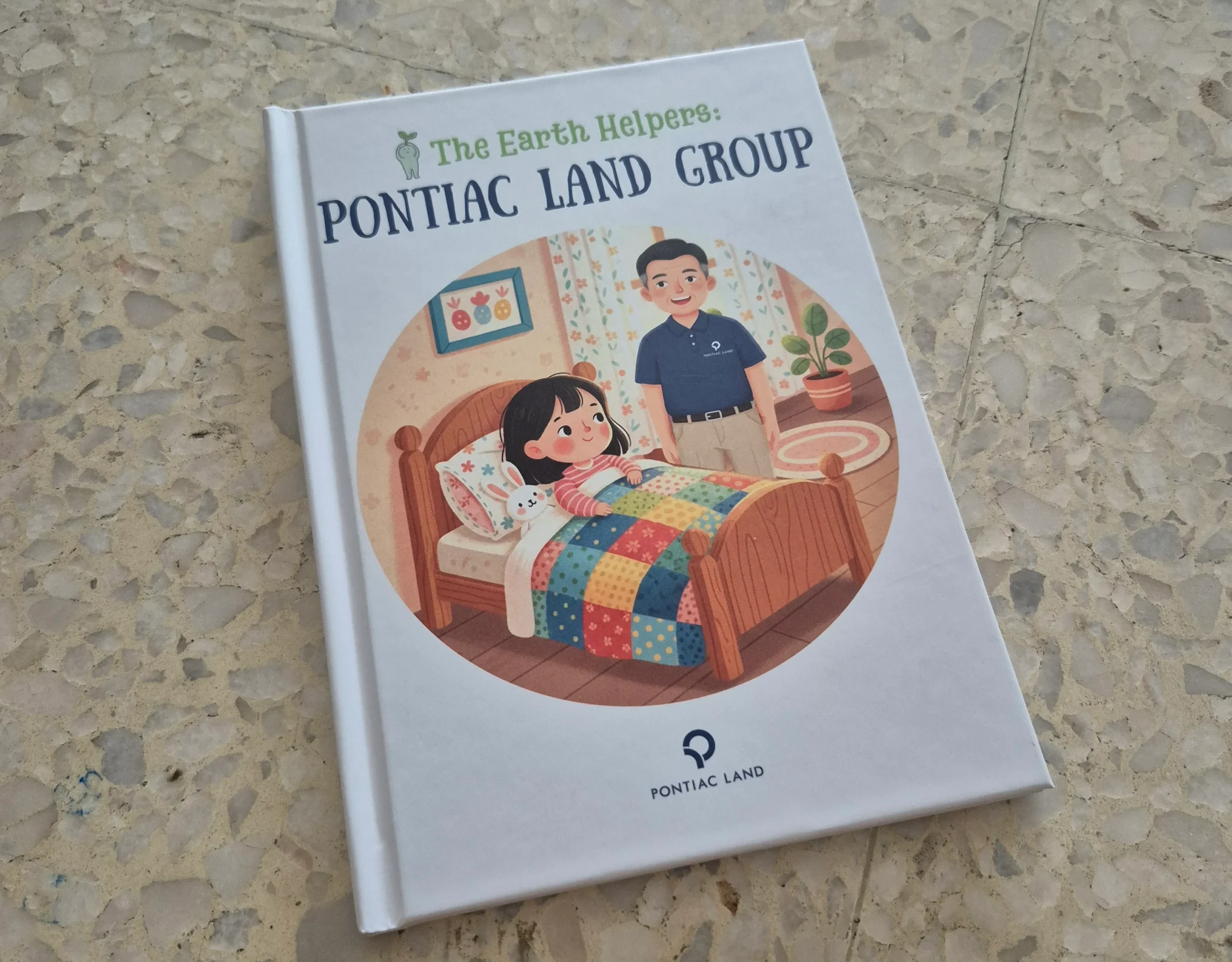
Brand Storybooks or Commemorative Editions
Spot UV combined with foil stamping adds visual distinction and premium impact without overwhelming the design.
Quick Comparison: Hardcover Finishes by Project Type
Choosing the right hardcover book finish often becomes clearer when viewed side by side. The summary below highlights recommended finishing combinations based on common publication types and objectives.
Project Type
Recommended Finish
Why It Works
Corporate Annual Reports
Matte Lamination + Foil
Professional, credible, refined
Coffee Table Books
Soft-Touch + Embossing
Luxurious tactile experience
Educational Publications
Matte Lamination
Durable and clean presentation
Brand Storybooks / Commemorative Editions
Spot UV + Foil
Strategic contrast and premium impact
Selecting the right finish requires not just technical knowledge, but understanding of your goals and audience. That’s why choosing a reliable partner is critical. Our guide on choosing book printing services in Singapore explains what to look for in a professional printer.
Experience Matters When It Comes to Finishing
Executing a flawless hardcover book finish requires precision. Misaligned foil, uneven embossing or poorly applied lamination can undermine the entire publication.
Working with an experienced team ensures:
Accurate alignment
Clean finishing edges
Durable lamination application
Consistent quality across print runs
If you’re planning a project, our general book printing services provides an overview of how Print Print manages quality across different formats and industries.
From Design Decisions to Flawless Execution
Selecting the right hardcover book finish is only part of the process. Achieving a refined final result requires careful coordination between design specifications, material selection and production precision.
At Print Print, we guide clients through each stage — from evaluating lamination types to aligning foil placement and embossing depth with your cover layout.
Where finishing enhances impact, we recommend it. Where it adds little value, we advise restraint.
Final Thoughts: Elevating Your Hardcover Book Finish the Right Way
A well-executed hardcover book finish enhances durability, strengthens authority and leaves a lasting impression long after the first read. When material, craftsmanship and design work in harmony, your publication becomes more than printed pages — it becomes a refined representation of your organisation.
If you’re ready to elevate your next project, contact us to discuss your requirements and receive a tailored quotation.
 Big Thinkers Business | 03 Mar 2026